
By Rebecca McLeod-Singh (BPHTY)
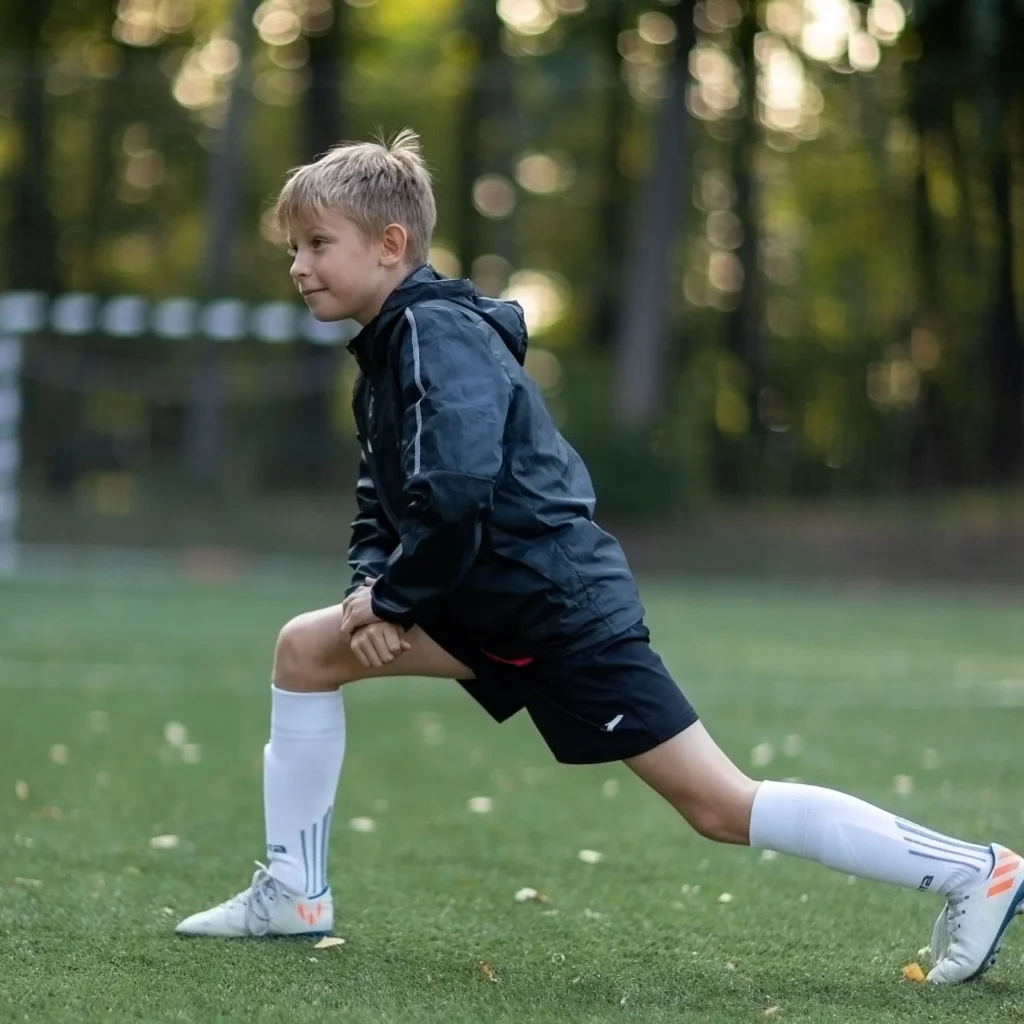
Growth spurts are an exciting milestone for kids and teens—but for young athletes, they can also be a time of increased injury risk, changing biomechanics, and fluctuating performance. At Core Foundations in Dunedin, we specialise in providing physio support for children and teenagers through these rapid developmental phases so young athletes can stay confident, active, and injury‑free.
Below is a practical guide to understanding growth spurts, recognising common growth‑related injuries, and helping your child navigate sport safely and successfully.
Why Growth Spurts Affect Sporting Performance
During a growth spurt, bones lengthen faster than muscles and tendons can adapt. This creates temporary tightness, reduced coordination, and altered movement patterns. For active kids and teens, this can show up as:
- Feeling “clumsy” or uncoordinated
- Reduced flexibility
- Muscle soreness after normal training loads
- Difficulty with speed, jumping, or change of direction
- Increased fatigue
These changes are normal—but they do increase the risk of specific growth‑related injuries.
Common Growth Injuries in Kids and Teens
1. Osgood–Schlatter Disease (Knee Pain)
A traction injury where the patellar tendon pulls on the tibial growth plate. Common in: Running, jumping, netball, football, basketball. Signs: Pain below the kneecap, swelling, pain with stairs or squats.
2. Sever’s Disease (Heel Pain)
Irritation of the heel growth plate due to tight calf muscles and high training loads. Common in: Football, hockey, athletics, court sports. Signs: Heel pain during or after activity, limping, pain with squeezing the heel.
3. Sinding-Larsen-Johansson (Front of Knee Pain)
Similar to Osgood–Schlatter but at the lower pole of the kneecap. Common in: Jumping sports. Signs: Pain at the bottom of the kneecap, especially with jumping or kneeling.
4. Apophysitis (Growth Plate Irritation)
Can occur at the hip, pelvis, or elbow. Common in: Sprinting, kicking sports, throwing sports, gymnastics. Signs: Localised pain at tendon attachment sites.
5. Stress Reactions
Bone stress can occur when load increases too quickly during a growth spurt. Common in: Running sports, high‑volume training. Signs: Persistent pain that worsens with activity, not relieved by rest.
How to Support Young Athletes Through Growth Spurts
1. Prioritise Strength and Stability
Strength training is one of the most protective tools during growth. Focus on:
- Glutes
- Core
- Calves
- Quads and hamstrings
- Balance and proprioception
At Core Foundations we can provide a tailored sports physio rehabilitation programme for growing athletes helps maintain control and reduce injury risk.
2. Adjust Training Loads
During rapid growth phases, kids may need:
- Reduced running volume
- Modified jumping loads
- More recovery days
- Shorter, higher‑quality sessions
This isn’t “doing less”—it’s training smarter.
3. Stretching and Mobility (But Targeted)
Gentle, consistent mobility helps offset tightness from bone growth. Key areas:
- Quads
- Hamstrings
- Calves
- Hip flexors
Avoid aggressive stretching on painful growth plates.
4. Footwear Matters
Supportive shoes with good shock absorption reduce stress on heels and knees. Replace worn shoes early—kids often outgrow support before they outgrow the shoe.
5. Encourage Good Recovery Habits
- Sleep (9–11 hours for teens)
- Hydration
- Balanced nutrition
- Active recovery days
Growth is taxing—fuel and rest matter.
6. Early Physio Assessment
If pain persists longer than 1–2 weeks, or your child is limping, a kids physio or teen physio assessment at Core Foundations Dunedin can identify the cause early and prevent long-term issues.
Objective Testing: VALD Dynamometer for Strength & ROM
At Core Foundations, we use a VALD dynamometer to accurately measure strength, muscle balance, and range of motion. This gives us precise, sport‑specific data to track changes during growth spurts, identify risk factors early, and tailor rehab or training programmes with confidence. Parents love the clarity, and young athletes love seeing their progress.
When to See a Physio
Seek help if your child experiences:
- Pain that stops them participating
- Limping or altered running style
- Pain lasting more than 1–2 weeks
- Night pain
- Recurrent injuries
- A sudden drop in confidence or performance
Early intervention keeps kids in sport, builds resilience, and prevents small issues from becoming big ones.
Supporting Dunedin’s Young Athletes Through Every Stage of Growth
At Core Foundations, we specialise in kids physio, teen physio, and sports physio for youth athletes across Dunedin. Growth spurts don’t need to derail your child’s sporting journey—when managed well, they can be a time of huge development, strength gains, and confidence building.
If your child is navigating a growth spurt or struggling with pain, we’re here to help with evidence‑based assessment, personalised rehab, and clear guidance for families and coaches.