By Rebecca McLeod-Singh (BPHTY)
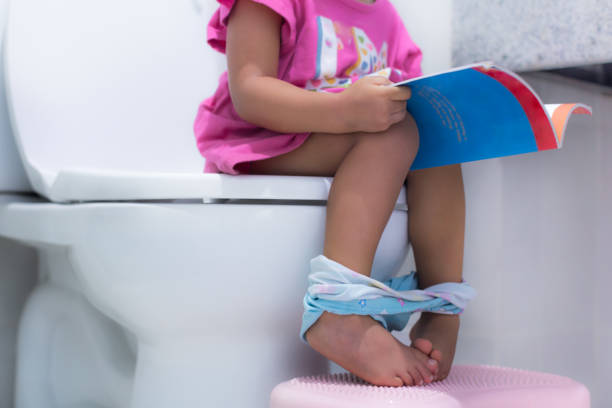
Toileting refusal is one of the most stressful and confusing challenges for families. You may feel like you’ve tried everything—reward charts, gentle encouragement, sitting them on the toilet every hour—yet your child still refuses to use the toilet or insists on staying in nappies.
If this is happening in your home, you’re not alone. Toileting refusal is common in toddlers and young children, and it often has underlying physical, sensory, or emotional drivers that need more than behavioural strategies to resolve.
As a paediatric pelvic health physiotherapist in Dunedin, I support families every week who are navigating toileting difficulties. With the right assessment and child‑centred plan, most children can overcome toileting refusal and build confidence with toileting.
Why Children Refuse to Use the Toilet
Toileting refusal rarely comes from stubbornness. More often, it’s a sign that something doesn’t feel right in their body or their environment.
Here are the most common contributors:
- Constipation or painful poos — Even one painful bowel motion can create fear and avoidance.
- Difficulty sensing bladder or bowel urges — Some children simply don’t “feel” when they need to go.
- Pelvic floor tension or coordination issues — These can make wees or poos uncomfortable or hard to pass.
- Fear of the toilet — The noise, size, or instability can be overwhelming.
- Developmental readiness differences — Some children need more time or support to transition out of nappies.
- Stress, change, or pressure — Big transitions (new sibling, daycare changes) can impact toileting confidence.
Understanding why your child is refusing is the first step toward helping them.
Signs Your Child May Benefit From Paediatric Pelvic Health Physiotherapy
If your child is:
- refusing to sit on the toilet
- holding wees or poos for long periods
- hiding to poo in a nappy
- unable to get rid of nappies despite being “old enough”
- having frequent accidents
- constipated or passing large, hard stools
- distressed around toileting
…a pelvic health assessment can uncover what’s going on and provide a clear plan forward.
How Physiotherapy Helps Children Who Refuse to Use the Toilet
Paediatric pelvic health physiotherapy is gentle, play‑based, and designed specifically for children. At Core Foundations in Dunedin, physiotherapy support may include:
1. A thorough, child‑friendly assessment
We look at:
- bowel habits
- bladder patterns
- pelvic floor function
- sensory needs
- toileting environment
- emotional factors
This helps identify the root cause of the refusal.
2. Constipation management and bowel retraining
Constipation is the number one driver of toileting refusal. Physio can help with:
- stool softening strategies
- bowel routines
- posture for easier pooing
- abdominal massage
- dietary and hydration guidance
3. Pelvic floor relaxation and coordination
Many children need help learning how to relax their pelvic floor to wee or poo comfortably. We use:
- breathing techniques
- child‑friendly pelvic floor awareness
- movement‑based relaxation
- play‑based coordination exercises
4. Sensory and behavioural support
Some children need:
- gradual exposure to the toilet
- strategies to reduce fear
- routines that feel safe and predictable
- modifications to the bathroom setup
5. Parent coaching and confidence building
You’ll receive:
- clear steps to follow at home
- language that supports your child
- strategies to reduce pressure and conflict
- guidance on when to push and when to pause
Parents often say this is the most valuable part of physiotherapy.
When to Seek Help
If toileting refusal has lasted more than 4–6 weeks, or if your child is distressed, constipated, or unable to transition out of nappies, early support can prevent long‑term issues.
Children do not “grow out of” pelvic floor dysfunction or constipation without help. The earlier we intervene, the easier and faster progress becomes.
Paediatric Pelvic Health Physiotherapy in Dunedin
If your child is refusing to use the toilet or you’re struggling to get rid of nappies, support is available. Paediatric pelvic health physiotherapy provides evidence‑based, child‑centred strategies that address the underlying causes—not just the behaviour.
Families in Dunedin can access specialised care through Core Foundations, with physiotherapy tailored to toddlers, preschoolers, and school‑aged children.