
Struggling with painful periods or endometriosis? Learn how pelvic health physiotherapy at Core Foundations Physiotherapy Dunedin can help reduce pain, improve function and support your wellbeing.
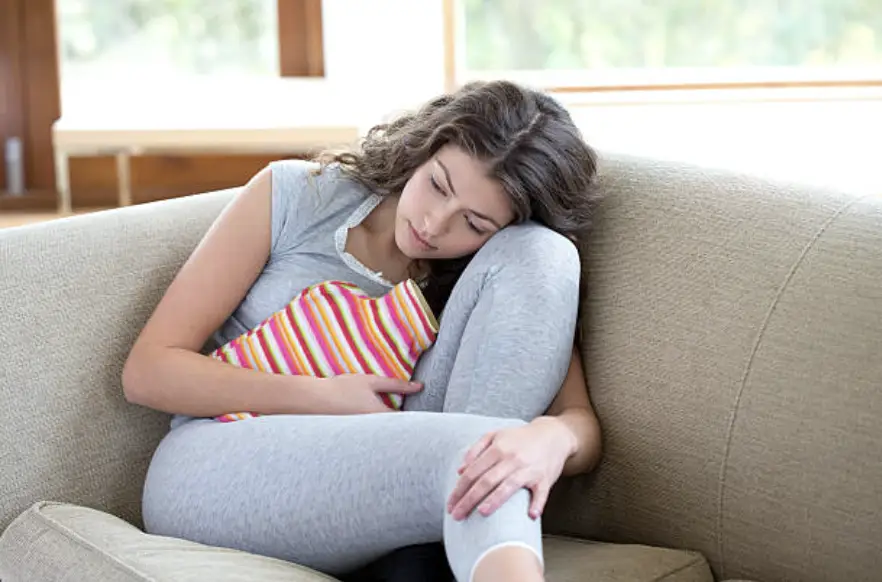
Many women in Dunedin and across New Zealand are told that painful periods are simply part of being a woman. While mild discomfort during menstruation can be common, severe period pain that affects work, study, exercise, sleep, or everyday activities is not normal and deserves attention.
For some people, debilitating period pain can be a sign of endometriosis, a chronic condition that affects approximately 1 in 10 women and people assigned female at birth. Unfortunately, many people wait years for a diagnosis, often feeling unheard or dismissed along the way.
At Core Foundations Physiotherapy Dunedin, we regularly support women experiencing pelvic pain, painful periods, and endometriosis-related symptoms. Physiotherapy can play an important role in helping reduce pain, improve function, and support overall wellbeing.
When Period Pain Isn’t “Normal”
Mild cramping during menstruation can be common. However, pain that:
- Stops you from participating in normal activities
- Causes you to miss work or school
- Requires frequent use of strong pain medication
- Occurs outside of your menstrual period
- Is accompanied by painful sex, bowel movements, or urination
may indicate an underlying condition such as endometriosis.
Listening to your body and seeking professional support early can make a significant difference.
What Is Endometriosis?
Endometriosis occurs when tissue similar to the lining of the uterus grows outside the uterus. These growths can be found on the ovaries, pelvic lining, bowel, bladder, and other areas within the pelvis.
Common symptoms include:
- Severe period pain
- Chronic pelvic pain
- Pain during or after sexual intercourse
- Pain with bowel movements or urination
- Heavy or irregular bleeding
- Bloating and digestive symptoms
- Fatigue
- Fertility challenges
The experience of endometriosis varies considerably from person to person. Some individuals have extensive disease with minimal symptoms, while others experience severe pain despite limited visible disease.
How Endometriosis Affects the Pelvic Floor
When pain persists over months or years, the body often develops protective responses. One common response is increased tension in the pelvic floor muscles.
The pelvic floor is a group of muscles that support the bladder, bowel, and reproductive organs. Ongoing pain can cause these muscles to become overactive, tight, and sensitive.
This may contribute to:
- Pelvic pain
- Pain during intercourse
- Difficulty emptying the bladder or bowel
- Lower back or hip pain
- Ongoing pain even when endometriosis lesions are being medically managed
This is where physiotherapy can play an important role.
How Physiotherapy Can Help
Physiotherapy does not treat the endometriosis itself, but it can help manage many of the symptoms associated with the condition.
1. Pelvic Floor Assessment and Treatment
A pelvic health physiotherapist can assess how the pelvic floor muscles are functioning and identify areas of tension, weakness, or sensitivity.
Treatment may include:
- Pelvic floor relaxation techniques
- Manual therapy
- Breathing exercises
- Strategies to improve muscle coordination
Reducing muscle tension can often help decrease pain and improve daily function.
2. Pain Management Strategies
Persistent pain can affect how the nervous system processes pain signals over time.
Physiotherapists can provide education and techniques to help:
- Reduce pain flare-ups
- Improve movement confidence
- Manage chronic pain more effectively
- Support nervous system regulation
Understanding pain is often a powerful step in regaining control and reducing fear around symptoms.
3. Exercise Prescription
Many people with endometriosis find exercise challenging, particularly during pain flare-ups.
A physiotherapist can develop an individualized exercise programme that aims to:
- Improve strength and mobility
- Reduce stiffness
- Support overall health and wellbeing
- Increase participation in meaningful activities
The goal is to find movement that feels achievable and sustainable.
4. Managing Associated Pain
Endometriosis symptoms often extend beyond the pelvis and may include:
- Lower back pain
- Hip pain
- Abdominal tension
- Postural changes
Physiotherapy can address these contributing factors through targeted treatment and movement strategies.
5. Supporting Recovery After Surgery
For individuals who undergo surgery for endometriosis, physiotherapy may assist with:
- Scar management
- Restoring mobility
- Pelvic floor rehabilitation
- Returning to exercise and daily activities
A personalised rehabilitation plan can help optimise recovery and long-term outcomes.
A Collaborative Approach Is Best
Endometriosis is a complex condition that often requires a multidisciplinary approach. Physiotherapy works best alongside appropriate medical care and may be combined with:
- Gynaecological management
- Pain medicine
- Exercise and lifestyle strategies
- Psychological support
- Nutritional guidance
Every person’s experience with endometriosis is unique, and treatment should be tailored to their individual needs and goals.
Looking for Endometriosis Treatment and Pelvic Health Physiotherapy in Dunedin?
If painful periods, pelvic pain, or endometriosis symptoms are affecting your quality of life, you don’t have to manage them alone.
At Core Foundations Physiotherapy Dunedin, our experienced pelvic health physiotherapists provide personalised assessment and treatment to help women better understand their symptoms, reduce pain, and return to the activities they enjoy.
Book an Appointment
If you’re looking for pelvic health physiotherapy in Dunedin, support for endometriosis management, or treatment for period pain and pelvic floor dysfunction, our team is here to help.
You deserve to be heard, and severe period pain should never be ignored.
Author Bio:
Written by Rebecca McLeod-Singh, Owner of Core Foundations and Physiotherapist with a special interest in women’s health and pelvic health rehabilitation. Passionate about helping individuals understand their bodies and find practical solutions for managing pain and improving quality of life.